By Mewati Sitaram
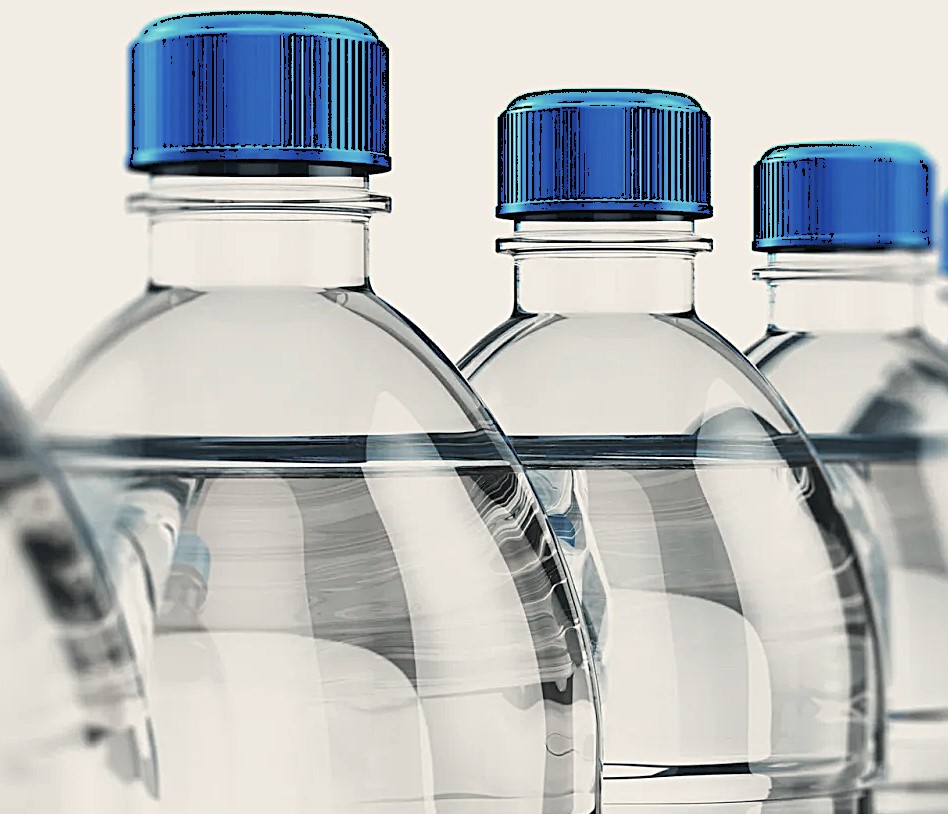
The packaged drinking water industry in India has ballooned into a ₹20,000 crore sector, with bottles omnipresent — from railway stations and airports to malls, hotels, and roadside kiosks. While it began as a convenience, bottled water is now seen as a necessity. Yet, beneath its booming success lie serious issues of pricing abuse, counterfeiting, poor quality control, and weak regulatory oversight.
In a country grappling with water contamination in both cities and villages, bottled water offers a safer alternative. For travellers, it provides easy access to potable water, whether on trains, buses, or flights. During natural calamities such as floods and droughts, it becomes a critical resource. Indian Railways’ own brand “Rail Neer” demonstrates that high-quality bottled water can be made accessible and affordable under public control.
However, troubling realities cloud this growth story. Arbitrary pricing is rampant. Although the maximum retail price is set at ₹20, the same bottle is often sold for ₹40–60 at airports, multiplexes, and tourist spots — with little to no enforcement of consumer protection laws.
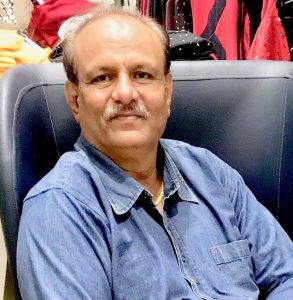
Rajendra Chopra
Even more alarming is the rise of duplicate and refill brands. Unscrupulous players bottle unfiltered tap water under fake labels, bypassing Food Safety and Standards Authority of India (FSSAI) and Bureau of Indian Standards (BIS) regulations. Such practices endanger public health.
Access to free, safe drinking water in public spaces is also worryingly absent. Airports, bus stands, parks, and malls rarely offer functional water kiosks, forcing people to buy bottled water. Quality is another major concern. Several samples have shown excess levels of TDS, fluoride, or bacterial contamination. A recent survey revealed that nearly 30% of packaged water brands did not meet prescribed standards.
Experts say urgent policy intervention is needed. The Rail Neer model must be scaled nationwide. RO+UV purified water stations should be made compulsory in all public places. QR code labelling should be introduced for each bottle, enabling consumers to trace water source and testing history. Outlets overcharging above MRP must be sealed, with counterfeit brands penalized with fines starting at ₹5 lakh.
There is also a strong push for legal mandates requiring municipal and state authorities to provide free safe drinking water. Environmentalists suggest building a widespread network of refillable RO stations to reduce dependency on plastic bottles and curb pollution.
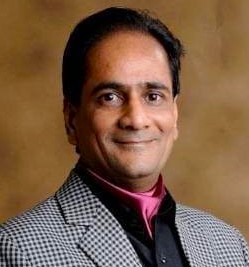
Rajendra Chopra, a prominent businessman and social activist, cautioned, “Without strict regulation and quality assurance, what seems like a solution could quickly turn into a serious problem. We must prioritize public safety over profits — access to clean drinking water is a fundamental right, not a luxury.”
Editor in Chief : Mewati SItaram