By Srinivas Iyer
Nepal has imposed restrictions on the import of Indian mangoes after quarantine inspectors reportedly detected excessive levels of pesticide residues and raised concerns over the absence of adequate quarantine facilities at border entry points.
According to reports, the restrictions have been in place since April-May under directives issued by Nepal’s Ministry of Agriculture and Livestock. The move follows a similar action by Japan last month, when authorities there suspended imports of certain Indian mango varieties after identifying irregularities in production and treatment processes at export facilities.
Nepalese authorities said the decision is expected to encourage domestic mango production and provide consumers with safer produce. Officials in Madhesh Province, one of Nepal’s major mango-growing regions, noted that the restriction could create greater opportunities for local farmers by reducing competition from imported fruit.
However, traders have expressed concern that domestic production may not be sufficient to meet demand across the country. Industry representatives warned that shortages could lead to higher prices, particularly in urban markets such as Kathmandu, where Indian mangoes have traditionally supplemented local supplies.
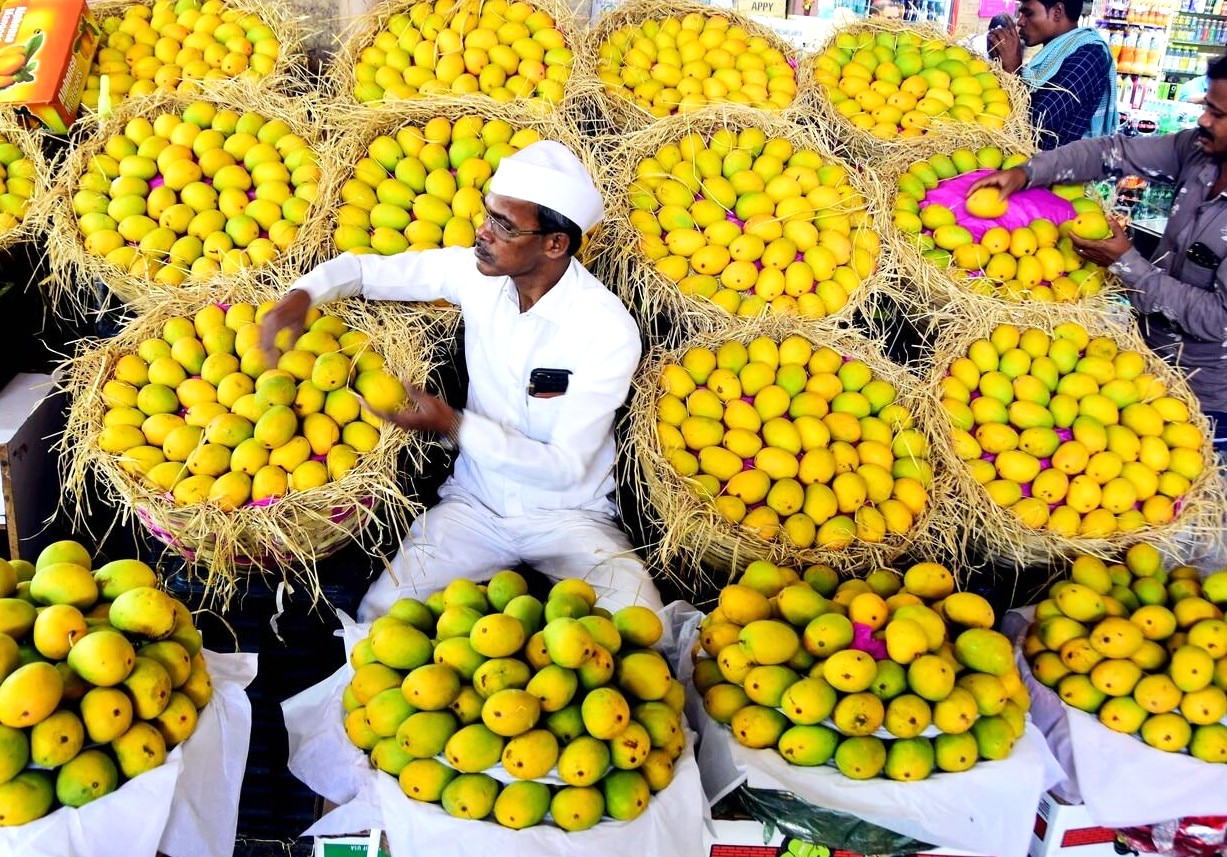
For India, the development represents another challenge for mango exporters. Although Nepal is not among India’s largest export destinations, the restrictions could affect shipments of popular varieties including Alphonso, Kesar, Langra, Dasheri, Chausa and Banganapalli.
India produces nearly 24 million metric tonnes of mangoes annually, with only a small portion exported. The latest restrictions are expected to renew scrutiny of quality-control measures and pesticide management practices within the country’s fruit export sector.