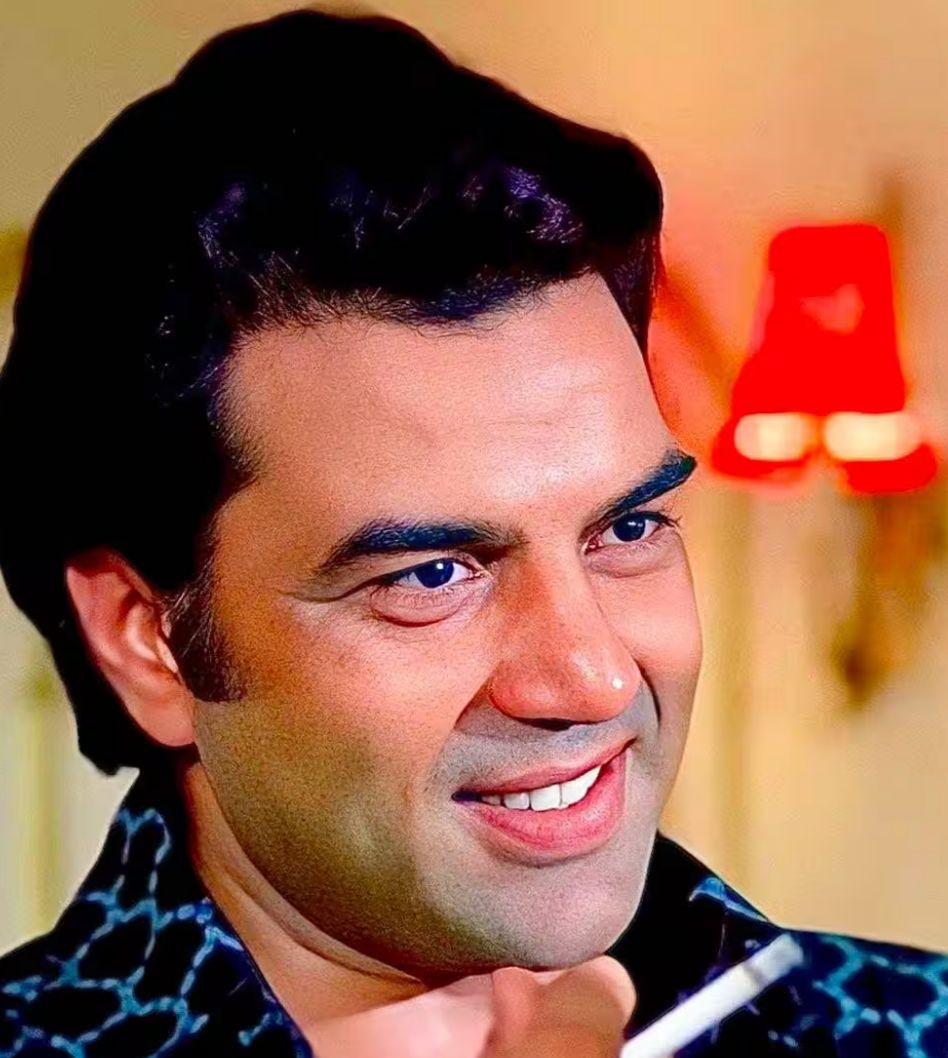
The life of Dharmendra, born Dharam Singh Deol, is one of Hindi cinema’s most compelling and heartfelt sagas. Spanning over six decades and encompassing over 300 films, his journey is a testament to rugged charisma, emotional depth, and unwavering ambition. From a simple village boy to one of Bollywood’s most enduring and beloved superstars, the story of the He-Man is a monumental chronicle of Indian film history, infused with genuine sincerity and warmth.
Early Life and the Call to the Silver Screen
Dharmendra Kewal Krishan Deol was born on December 8, 1935, in the village of Nasrali, Punjab. Growing up in a Punjabi Jat family, with his father serving as a school headmaster, his early life was rooted in simplicity, far from the glamour he would eventually command.
Inspired by screen legends, young Dharmendra nurtured an intense desire to act. This ambition culminated in 1958 when he won the Filmfare New Talent Contest, providing his ticket to Mumbai. Facing the tough reality of the film city, he endured a period of struggle before securing his first break.
Dharmendra made his acting debut in 1960 with the film Dil Bhi Tera Hum Bhi Tere. His perseverance soon paid off, with his first box-office success arriving in 1961 with Shola Aur Shabnam.
The Romantic and Versatile Ascent (1960s)
The 1960s saw Dharmendra’s rise as the sincere and charming romantic hero of Bollywood. He gave noted, sensitive performances in critically acclaimed films like:
Bandini (1963), directed by Bimal Roy.
Haqeeqat (1964), where he earned acclaim for his role as Captain Bahadur Singh.
Anupama (1966), showcasing his profound, sensitive side.
The major turning point came with the 1966 blockbuster Phool Aur Patthar. Portraying a tough, anguished criminal, he broke the mould of the gentle romantic. This film earned him his first Filmfare Best Actor nomination and the popular moniker of He-Man, establishing his enduring image as a tough yet tender male star. He continued this run with hits and critically lauded films like Shikar (1968) and the deeply revered Satyakam (1969), in which his portrayal of an idealistic man remains a high point of his dramatic career.
Superstardom and the Iconic Era (1970s and 1980s)
The 1970s cemented Dharmendra’s transition to absolute superstardom, marked by a versatility that spanned action, comedy, and intense drama.
His charisma shone as the righteous outlaw Ajit in the action-blockbuster Mera Gaon Mera Desh (1971). His association with co-star Hema Malini blossomed both on-screen and off-screen, leading to a string of hugely successful pairings in films like Seeta Aur Geeta (1972) and Jugnu (1973).
The year 1975 was a monumental peak:
1. Sholay: His role as the lovable, quick-witted rogue Veeru, created one of Indian cinema’s most iconic characters. The film became an all-time blockbuster and a permanent fixture in Indian popular culture, showcasing his energetic action and easy charm.
2. Chupke Chupke: He delivered one of Bollywood’s finest comedic performances as Professor Parimal Tripathi, highlighting his impeccable comic timing and genuine flair for humour.
Dharmendra’s status as a leading man was solidified. The 1980s saw him deliver numerous commercial successes in the action-drama genre, including Hukumat (1987) and Insaniyat Ke Dushman (1987), maintaining his reputation as a bankable star for the masses.
Personal Life, Family Dynasty, and Production
Dharmendra married his first wife, Prakash Kaur, in 1954. They have four children: sons Sunny Deol and Bobby Deol, who became prominent actors, and two daughters. Despite his existing marriage, he married his co-star, Hema Malini, in 1980. They had two daughters, Esha Deol and Ahana Deol. Dharmendra’s two marriages and large, extended family created a true Bollywood dynasty, with several members joining the industry.
In 1983, Dharmendra ventured into film production, founding Vijayta Films, which successfully launched his eldest son, Sunny Deol, with the hit film Betaab. This act of paternal support was instrumental in securing the Deol family’s lasting legacy in cinema.
Later Career, Politics, and The Enduring Heart
As the industry evolved, Dharmendra gracefully transitioned to supporting and character roles in the 1990s and 2000s, playing patriarchal figures with warmth and authority in films like Pyaar Kiya To Darna Kya (1998).
Following a brief hiatus, he made a successful comeback, embracing substantial roles and multi-starrers, often collaborating with his sons in the popular Yamla Pagla Deewana (2011) franchise. He continued to act well into his later years, captivating audiences with his veteran presence in films like Rocky Aur Rani Kii Prem Kahaani (2023), where his vulnerable and sincere portrayal was widely appreciated.
Outside of cinema, Dharmendra had a brief political stint, serving as a Member of Parliament (MP) from Bikaner (2004–2009) on a BJP ticket, though his focus remained primarily on acting.
Legacy, Awards, and Lasting Appreciation
Dharmendra’s unique appeal lies in his authentic blend of rugged masculinity and relatable vulnerability—a paradox that endeared him deeply to the masses. Though a major Filmfare Best Actor Award eluded him during his peak, his profound contribution was recognized with formal honours:
Filmfare Lifetime Achievement Award (1997)
Padma Bhushan (2012), India’s third-highest civilian honour.
The enduring saga of Dharmendra is not just a tale of stardom, but a celebration of sincerity. He was the actor who always felt real, whether he was fighting for justice, singing a romantic ballad, or making the audience laugh. He remains the Golden Heart of Bollywood, a true icon whose charisma and warmth continue to shine brightly, making his journey one of the most cherished in cinematic history.

Surjitt Sahani