By Sitaram Mewati
The vibrant traditions of Odisha will come alive through the Raja Food Festival, a unique cultural and gastronomic celebration inspired by Raja Parba, the state’s iconic festival that honors womanhood, fertility and the arrival of the monsoon season. The festival seeks to showcase Odisha’s rich culinary heritage while highlighting the deeper cultural and spiritual significance associated with the annual celebration.
Derived from the Sanskrit word “Rajas,” meaning menstruation, Raja Parba symbolizes fertility and the regenerative cycles of nature. According to tradition, Mother Earth, revered as Bhudevi, undergoes a period of rest and rejuvenation during these days, preparing the land for the agricultural season ahead. The festival reflects respect for feminine energy and the nurturing role of nature in sustaining life.
The celebration follows a series of rituals and festivities, beginning with preparations in homes and culminating in Basumati Snana, a ceremonial bath offered to Mother Earth. Women and girls participate in cultural activities, wear new clothes, enjoy swings, sing folk songs and take a break from routine household responsibilities.
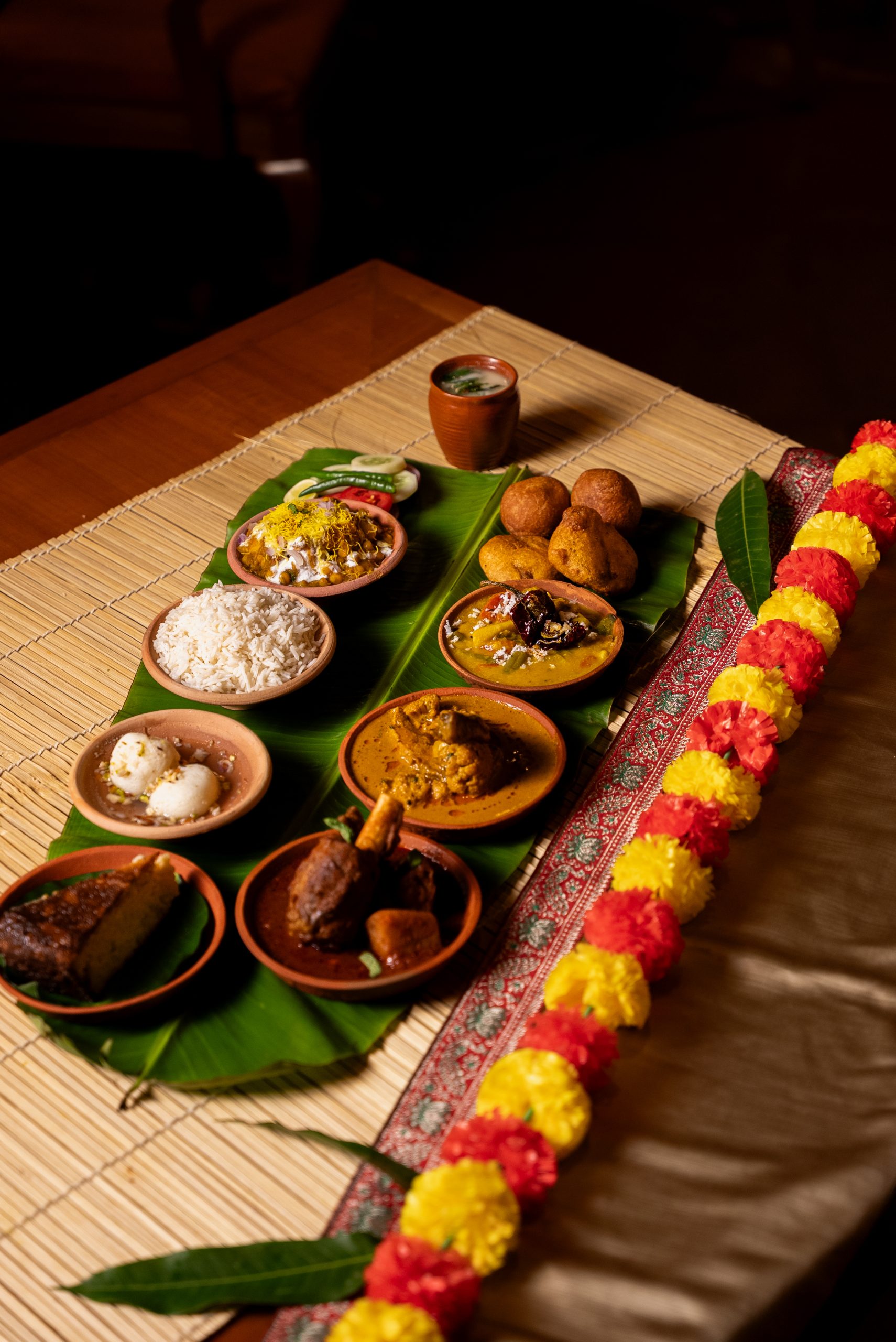
Food remains at the heart of the festival. Traditional Odia delicacies such as Poda Pitha, Arisa Pitha, Manda Pitha, Chakuli Pitha, Kakara Pitha, Chhena Poda, Basi Pakhala and Dalma are prepared and shared among family and community members. These dishes symbolize abundance, fertility and gratitude towards nature while preserving centuries-old culinary traditions.
Beyond food, the festival aims to support women entrepreneurs, rural artisans and sustainable farming practices. Organisers believe the Raja Food Festival will offer visitors an immersive experience combining cuisine, culture, music and ritual, while celebrating Odisha’s enduring heritage and the timeless connection between nature, agriculture and womanhood.

Editor in Chief : Mewati SItaram