By Che Bin, Li Yanan, People’s Daily
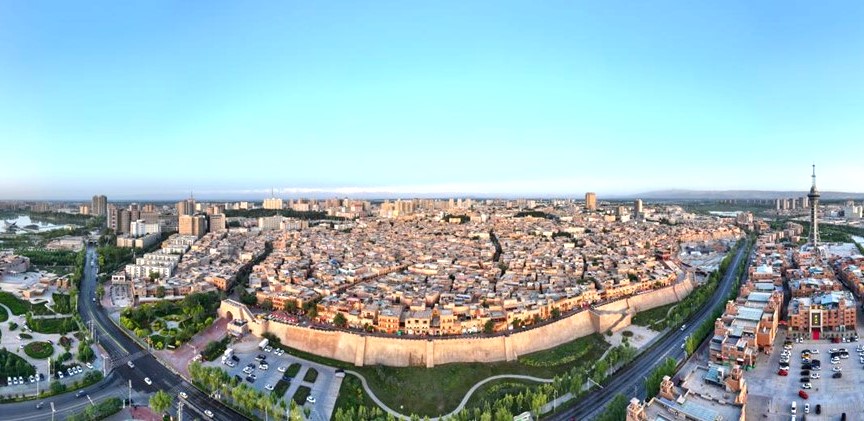
Located in the heart of an oasis in southwestern Xinjiang, Kashgar has long served as a pivotal stop along the ancient Silk Road. With the Yarkant River flowing from the Karakoram Mountains, the city has welcomed traders, monks, and explorers for centuries—from Xuanzang to Marco Polo. Today, it remains a thriving gateway to Central and South Asia and is a critical point on the China-Pakistan Economic Corridor.
The ancient city of Kashgar, over 2,100 years old, still pulsates with life. Its cobbled alleys, flower-laced balconies, and intricate wooden carvings echo with traditional music and the scent of local spices. Every morning begins with vibrant dances and warm greetings, creating a timeless experience for visitors.
Sites like the Ruins of Stone City in nearby Taxkorgan Tajik Autonomous County add depth to Kashgar’s historical significance. Travelers today, like Italian hiker Vienna Cammarota, find the city alive with spirit—vividly resonating with descriptions from The Travels of Marco Polo.
Kashgar is also evolving through the Belt and Road Initiative. Tanzanian-Chinese couple Dilxat Tursun and Hadiya run Dili & Diya Café, blending Tanzanian coffee with local ingredients. As international connectivity improves—especially with projects like the China-Kyrgyzstan-Uzbekistan Railway—their business and the city’s global ties continue to grow.
Kashgar’s resilience lies in its ability to fuse ancient culture with modern vitality. Whether through historic architecture, cross-cultural cafés, or regional trade, Kashgar remains a shining example of heritage thriving in harmony with globalization.
Disclaimer: Opinions expressed in the articles are of the authors and do not necessarily reflect those of the editors or publishers of Mumbai Messenger Newspaper. While the editors do their utmost to verify information published, they do not accept responsibility for its absolute accuracy.