By Sitaram Mewati — Beijing
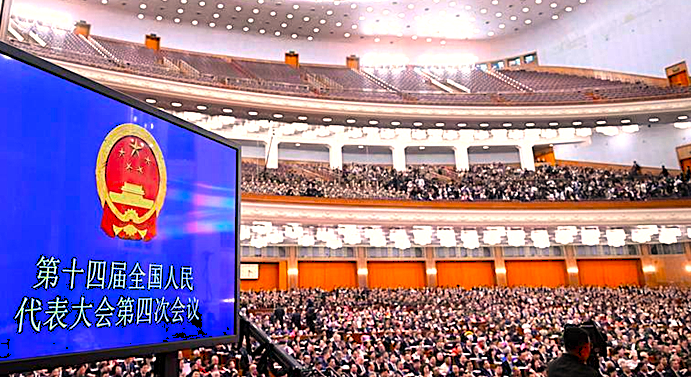
China’s annual Two Sessions, the parallel national gatherings of the National People’s Congress (NPC) and the Chinese People’s Political Consultative Conference (CPPCC) concluded on 12 March 2026 after an eight‑day session at the Great Hall of the People. The event, which brings together thousands of lawmakers and political advisers from across the country, serves as a crucial platform to review policy, approve legislation and set the direction for China’s next phase of development.
In the closing meeting of the NPC, China’s national legislature approved the Government Work Report, the 2026 national budget, and the outline of the 15th Five‑Year Plan (2026‑2030), which will guide the country’s economic and social priorities over the next five years. Lawmakers also adopted key legal frameworks, including the new Ecological and Environmental Code and the Ethnic Unity and Progress Promotion Law, underscoring Beijing’s commitment to environmental protection and national cohesion.
Chinese President Xi Jinping and senior leaders, including Premier Li Qiang, attended the closing session, reflecting the political significance of the event. Delegates gathered during the week to discuss growth targets, fiscal policy, social stability, and China’s role in global economic cooperation, sending signals of cautious ambition after setting a moderate growth target for 2026 that balances internal resilience with external challenges.
Throughout the 2026 Two Sessions, traditional and emerging policy themes were in focus: economic stabilisation, scientific innovation, environmental governance and social welfare. The CPPCC concluded its advisory sessions a day before the NPC, reinforcing consultative efforts across government, industry and regional representatives.
As the Two Sessions wrapped up, official statements emphasised the importance of steady implementation of the approved agenda, national unity and long‑term strategic goals, setting the stage for China’s next chapter in domestic development and international engagement.
Editor in Chief : Mewati SItaram