By Shrinivas Iyer
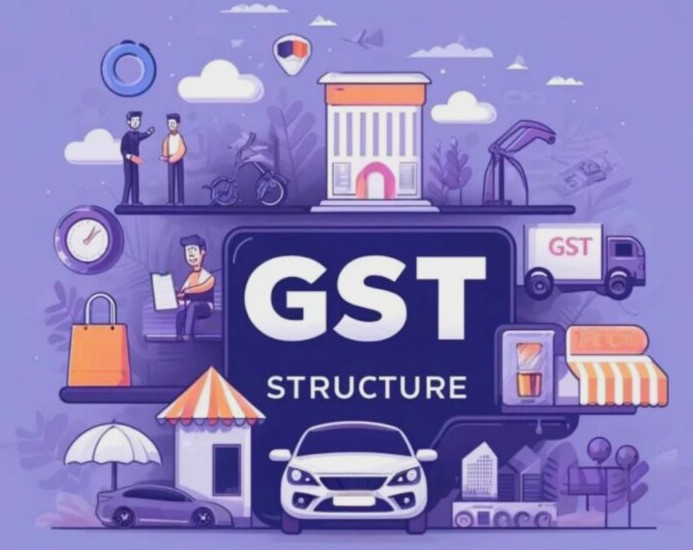
India’s Goods and Services Tax (GST) reforms, effective from September 22, 2025, aim to ease the financial burden on everyday consumers. The government has introduced a simplified two-slab GST structure—5% and 18%—replacing the previous four-tier system. This change is expected to make essential goods and services more affordable, providing tangible benefits to households across the country.
Essential items such as milk, paneer, chapati, and plant-based milk drinks are now either tax-free or subject to a 5% GST, reducing daily household expenses. Similarly, everyday consumer products like soaps, toothpaste, and hair oil have seen their GST cut from 18% to 5%, making them more accessible to middle-class families. Life-saving drugs and health insurance policies are now exempt from GST, helping reduce medical costs for millions.
The reforms also extend to vehicles and construction materials. Small cars and two-wheelers have become more affordable with GST reductions resulting in price drops of up to ₹15,743. Cement and other building materials now attract an 18% GST, down from 28%, which could lower home construction and renovation costs.
Economists are optimistic about the impact on the broader economy. ICRA has raised India’s GDP growth forecast to 6.5%, attributing the boost to increased consumer spending of ₹3 lakh crore enabled by the tax cuts. Fitch Ratings has projected growth of 6.9%, citing stronger domestic consumption as a key driver.
Prime Minister Narendra Modi described the reforms as a “Diwali gift” for the people, emphasizing their potential to improve lives and support business operations. These GST reforms are designed to empower the common man, reduce the cost of living, and stimulate economic growth, marking a significant step toward a more consumer-friendly tax system.