By Abhinav Kumar | Ho Chi Minh City & Binh Phuoc
Vietnam does not ease you in — it engulfs you. From the moment I arrived in Ho Chi Minh City, the city thrummed with motion: motorbikes humming, street vendors ladling fragrant broth, neon reflecting off glass towers beside colonial facades. Formerly Saigon, it wears its history openly. French-era buildings sit beside skyscrapers, cafés spill onto sidewalks, and conversations stretch into humid evenings.
Mornings began with thick, sweet Vietnamese coffee, sipped slowly as the city woke. Streets became a choreography of scooters and pedestrians; crossing felt like stepping into a river of movement. Markets, especially Ben Thanh Market, were sensory feasts: dragon fruit pyramids, silk stalls, and bowls of pho and Bánh mì. Each meal felt intimate, generous, and authentic.
Yet the city also offered pockets of reflection. Leafy boulevards, temples, churches, and mosques softened its kinetic energy. Smiles and warm conversations bridged language gaps, revealing a humane side to urban chaos.
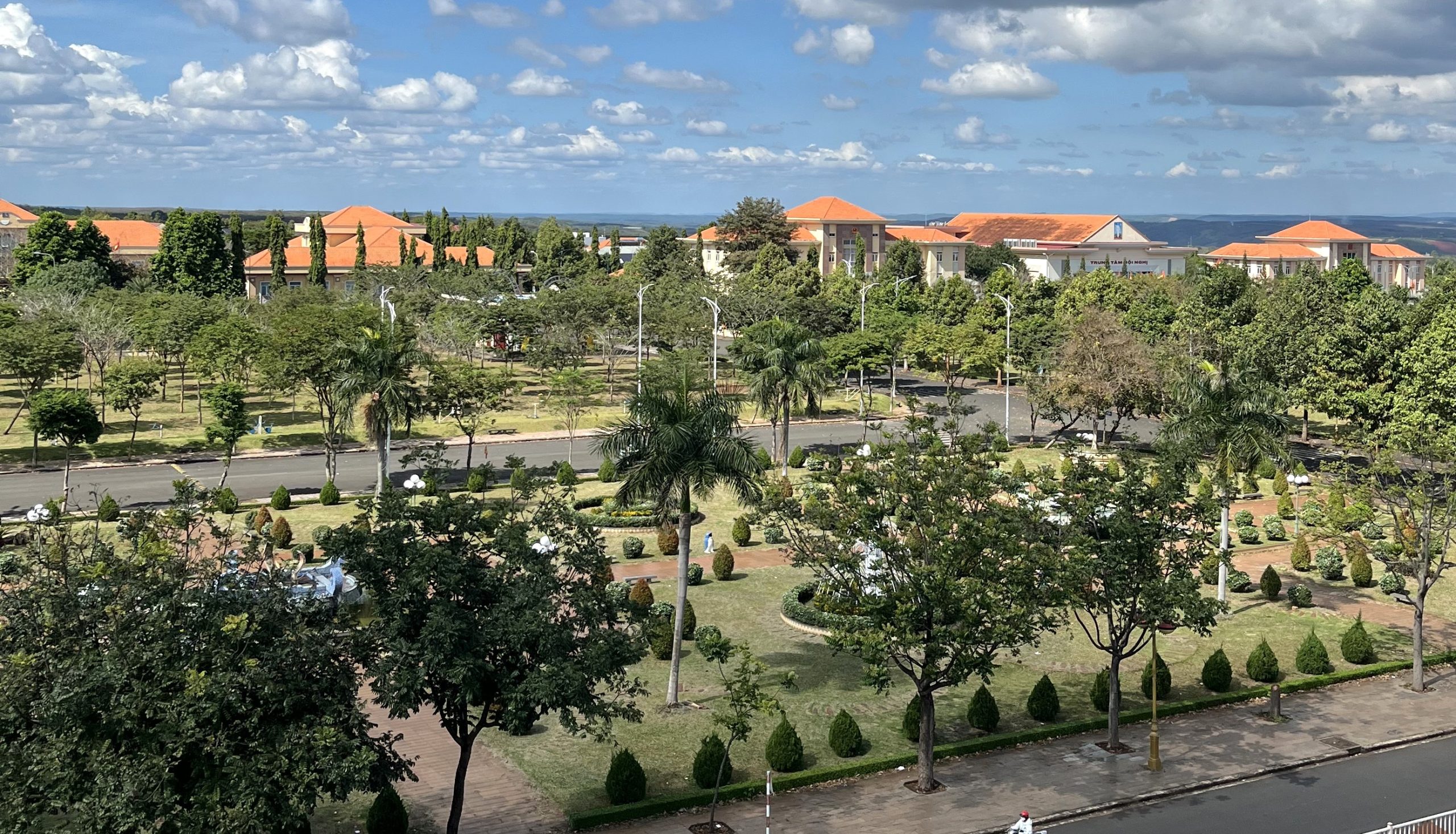
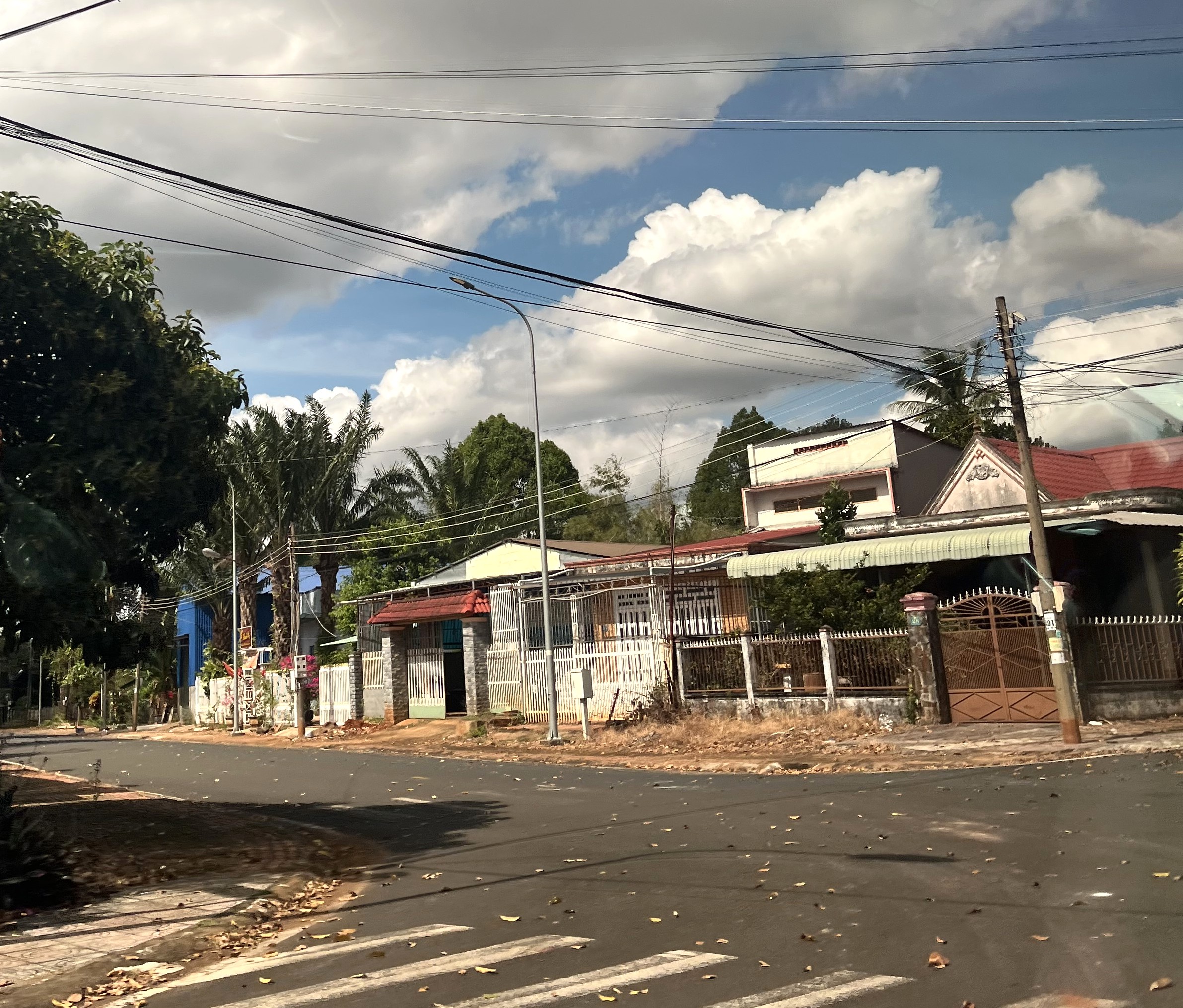
Traveling north to Phuoc Long, the shift was immediate. Skyscrapers vanished, replaced by open skies, red earth roads, and quiet landscapes. Rubber plantations, cashew units, and pepper fields stretched across rolling terrain, life rooted in the land. Mornings began with birdsong instead of engines; meals drew from local harvests.
The contrast sharpened my appreciation: Ho Chi Minh City pulses with ambition, Phuoc Long breathes patience. Together, they form Vietnam’s mosaic — a nation balancing progress with cultural continuity. Leaving, I carried both rhythms: the city’s electric energy and the countryside’s enduring calm, a portrait of Vietnam that lingers long after the journey ends.