By Mewati Sitaram
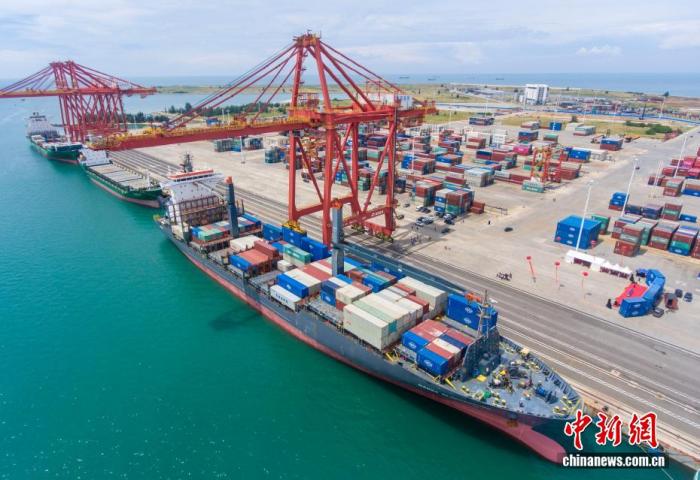
China’s launch of island-wide special customs operations at the Hainan Free Trade Port (FTP) in December 2025 is drawing attention far beyond duty-free shopping and financial reforms. For India, the real significance may lie in agriculture, as Hainan positions itself as a global hub for seed research and tropical agriscience.
Dubbed the “Silicon Valley of Seeds,” Hainan is home to the Nanfan Agricultural Silicon Valley, where zero-tariff policies and streamlined customs allow genetic material, equipment, and data to move rapidly across borders. This creates new opportunities for collaboration with Indian institutions such as the Indian Council of Agricultural Research (ICAR), particularly in accelerating the development of climate-resilient crops.
India, a leading producer of rice, pulses, and milk, faces mounting challenges from climate change and uneven technology adoption. Hainan’s year-round tropical growing conditions could support “shuttle breeding,” enabling multiple crop generations in a single year and significantly reducing the time needed to develop new seed varieties suited to Indian conditions.
Rice presents a clear area of potential synergy. While China leads in hybrid rice technology, India holds unparalleled genetic diversity. Combining Indian germplasm with Hainan’s precision breeding tools could yield high-yielding varieties adapted to local tastes and stress-prone regions such as coastal and drought-affected areas.
Beyond research, the Hainan FTP could also ease trade barriers. As a special customs zone, it offers a testing ground for aligning sanitary and phytosanitary standards, a long-standing hurdle for Indian agricultural exports. Joint certification mechanisms could eventually smooth access for Indian products into the Chinese market.
Despite broader geopolitical complexities, agriculture offers a pragmatic avenue for engagement. If carefully managed, cooperation through the Hainan Free Trade Port could strengthen innovation, improve market access, and deliver tangible benefits to farmers in both countries.

Editor in Chief : Mewati SItaram