By Sitaram Mewati | Mumbai
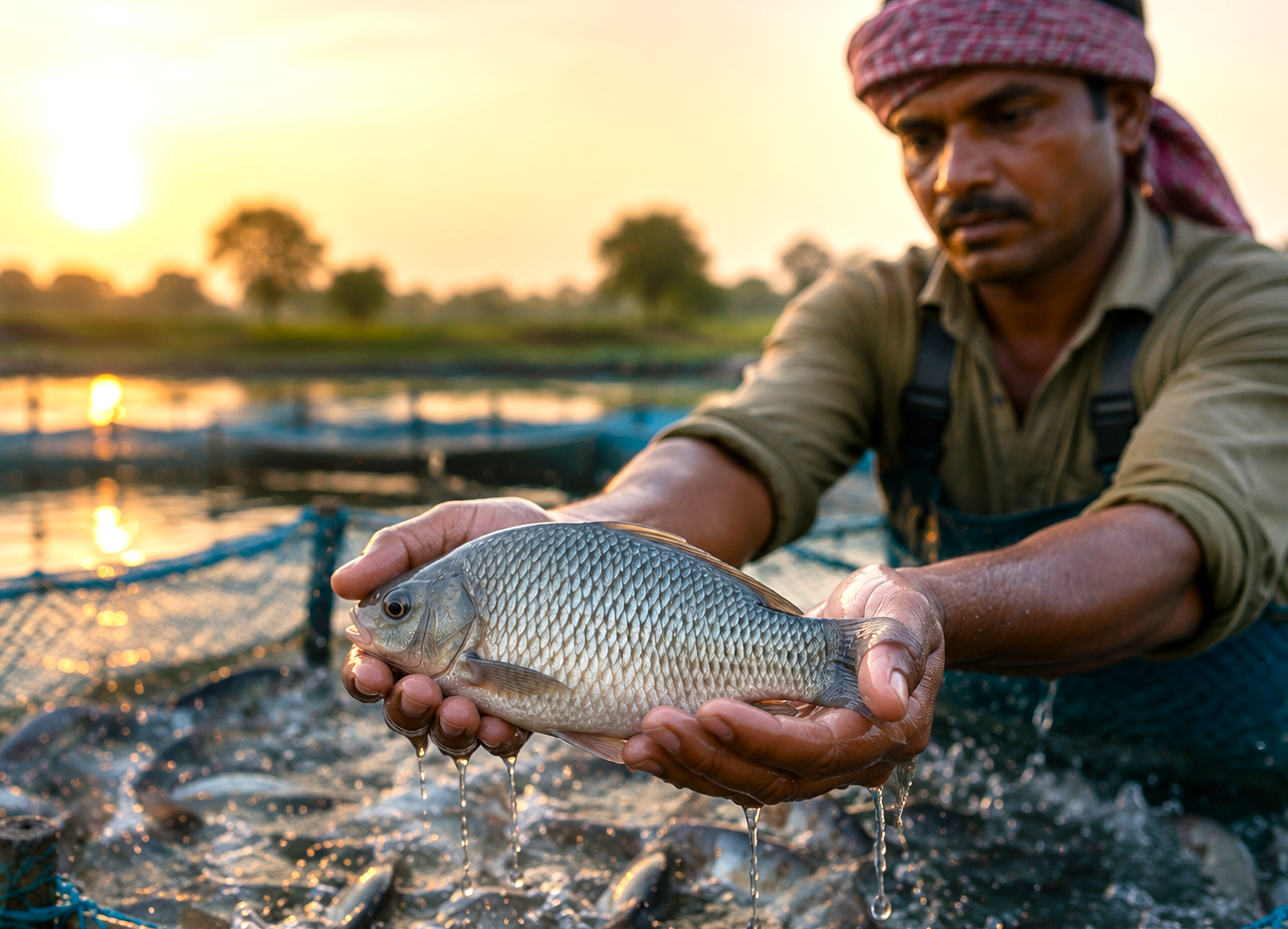
As governments across India look beyond conventional agriculture to strengthen rural economies, Uttar Pradesh is placing a strategic bet on inland fisheries. By harnessing its extensive network of ponds, reservoirs and rivers through scientific aquaculture and organised resource management, the State is seeking to create sustainable livelihoods, generate employment and boost rural incomes.
The initiative represents a significant shift in development planning. Instead of allowing thousands of water bodies to remain underutilised, the government is attempting to convert them into productive economic assets capable of supporting farmers, traditional fishing communities and rural entrepreneurs. With rising domestic demand for fish and increasing emphasis on income diversification, fisheries are emerging as an important pillar of the State’s long-term rural development strategy.
Central to the programme is a structured leasing framework that aims to ensure transparency, equitable access and efficient utilisation of natural water resources. Smaller Gram Sabha ponds have been reserved for traditional fishermen to protect their livelihoods, while medium-sized ponds have been opened to private participation to encourage investment and the adoption of modern aquaculture practices. Larger water bodies are being leased to cooperative societies, promoting collective management, better governance and shared economic benefits.
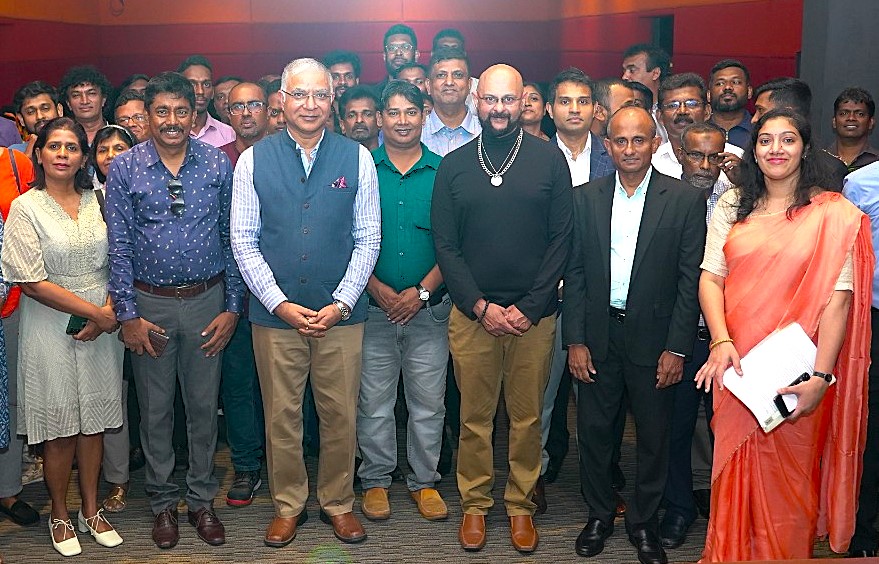
The initiative is being spearheaded by Mukesh Kumar Meshram, a 1995-batch Indian Administrative Service (IAS) officer and Additional Chief Secretary of the Animal Husbandry, Dairy Development and Fisheries Department. During his administrative career, Meshram has held several key positions, including Commissioner of Commercial Taxes, Managing Director of the Uttar Pradesh State Road Transport Corporation (UPSRTC), Secretary and Managing Director of Uttar Pradesh Tourism, and District Magistrate of Kanpur. His experience across multiple sectors is expected to strengthen coordination and execution of the fisheries programme.
According to the Fisheries Department, the policy has already begun delivering tangible results. More than 80,000 hectares of Gram Sabha ponds have been leased for fisheries, over 2,200 kilometres of rivers have been brought under organised leasing arrangements, and 342 reservoirs are now supporting fish production. Officials believe the expansion is creating employment opportunities for thousands of rural households while improving productivity through scientific fish farming and better management practices.
Meshram has said the government’s objective extends beyond increasing fish production. By improving the utilisation of ponds, reservoirs and river systems, the State aims to provide farmers and fishing communities with a dependable source of income while encouraging sustainable aquaculture. Greater access to government support schemes, modern production techniques and cooperative investment models is expected to improve productivity and enhance income stability.
While the policy offers considerable promise, its long-term success will depend on effective implementation. Experts point to the need for quality fish seed, scientific breeding, disease management, cold-chain infrastructure, efficient marketing networks and environmental safeguards to ensure that higher production translates into lasting economic gains.
If executed effectively, Uttar Pradesh’s fisheries strategy could become more than a sectoral reform. It has the potential to demonstrate how underutilised natural resources can be transformed into productive assets, creating jobs, strengthening village economies and providing a replicable model for sustainable rural development across India.

Editor in Chief : Mewati SItaram