By Sitaram Mewati
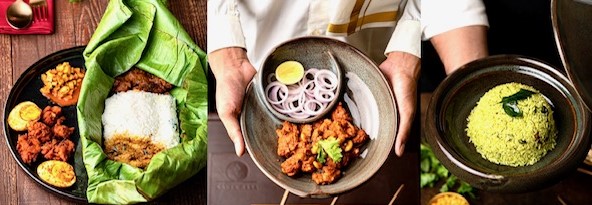
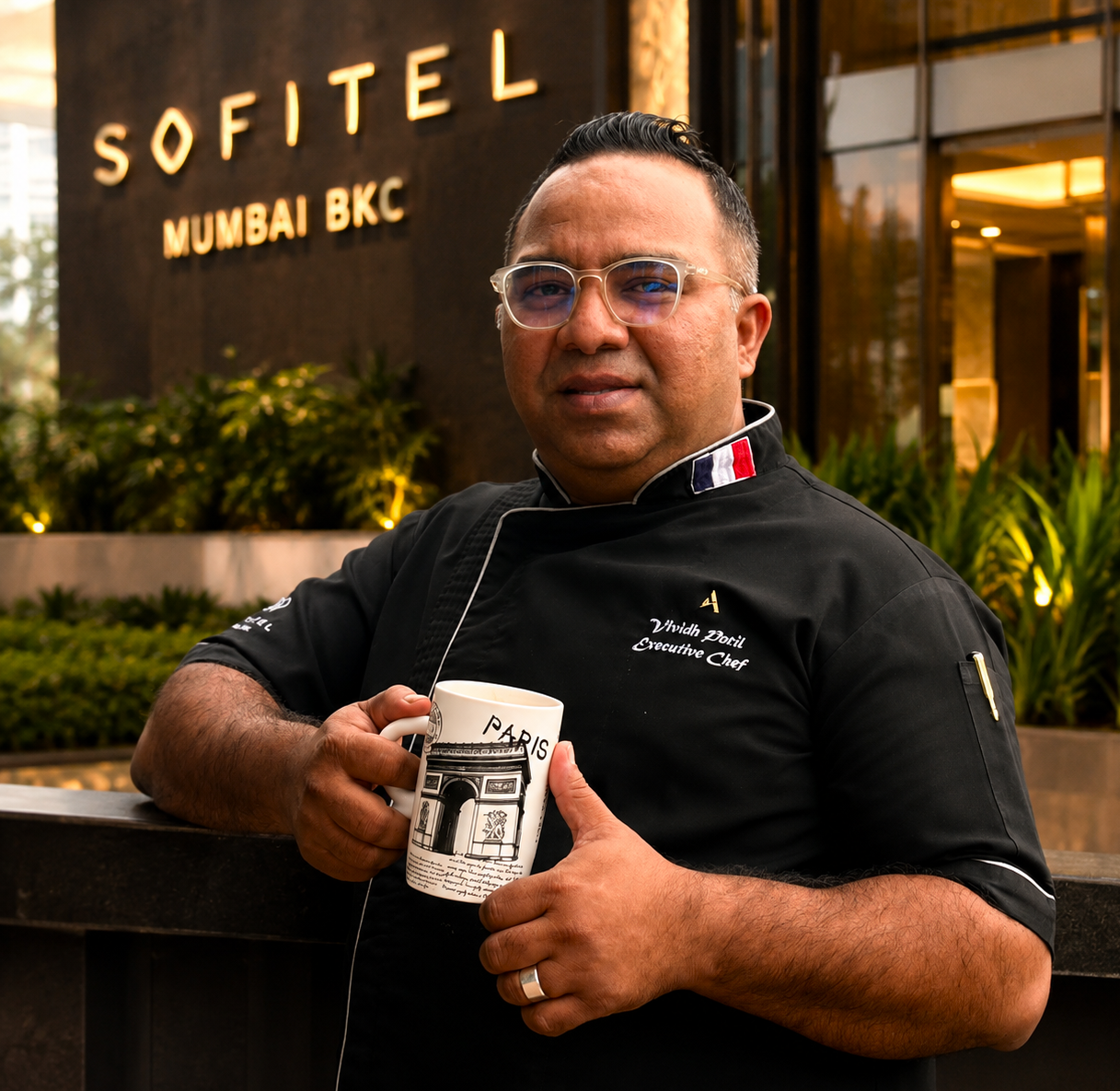
For Chef Vividh Patil, Malvani cuisine is more than a regional culinary tradition—it is a connection to his roots, family and childhood memories. Born and brought up in Malvan, the Executive Chef at Sofitel Mumbai BKC recently brought the flavours of his native region to Mumbai through a specially curated Malvani food festival at Pondichéry Café.
Having learnt the nuances of Malvani cooking from his grandmother and mother, Chef Vividh personally curated the festival menu, featuring both vegetarian and non-vegetarian preparations. The festival received an encouraging response from in-house guests and diners, offering an opportunity to experience the authentic flavours of Malvan. In this conversation, he speaks about his culinary roots, traditional flavours, a cherished family recipe and the importance of preserving Maharashtra’s culinary heritage.
Q. What makes Malvani cuisine distinctive?
Malvani cuisine is a beautiful expression of the coastal Konkan region, where seafood, local produce, coconut and traditional spices come together. Its flavours are bold, aromatic and layered, with a balance of spice, sourness, sweetness and the natural richness of coconut. I would describe it as robust yet balanced—a cuisine where the sea, the land and local culture come together on one plate.
Q. How did your grandmother and mother influence your understanding of Malvani cooking?
My family has had a very important influence on my understanding of Malvani cuisine. I learnt many of its nuances from my grandmother and my mother. They taught me that authentic regional food is not just about following a recipe; it is about understanding ingredients, proportions, techniques and the patience required to bring out the right flavours. Those lessons continue to influence me today. Even in a professional kitchen, I carry those memories and traditional techniques with me.
Q. Which ingredients and spice blends are essential to authentic Malvani cooking?
Fresh coconut, dried coconut, kokum, tamarind, curry leaves, garlic, ginger, onions and fresh seafood are fundamental. At the heart of the cuisine is traditional Malvani masala, prepared with dried red chillies, coriander, cumin, pepper, cloves, cinnamon and other regional spices.Roasting and freshly grinding the spices gives Malvani food its distinctive depth, colour and aroma. Fresh, quality ingredients are equally important.
Q. What was your approach while curating the recent Malvani festival at Pondichéry Café?
I wanted to present Malvani cuisine in a way that remained rooted in tradition while appealing to today’s diners. Rather than focusing only on seafood, we created a selection of vegetarian and non-vegetarian dishes to showcase the diversity of the cuisine. The festival received an encouraging response from both in-house guests and diners, which was personally very satisfying for me.
Q. Is there a Malvani dish particularly close to your heart?
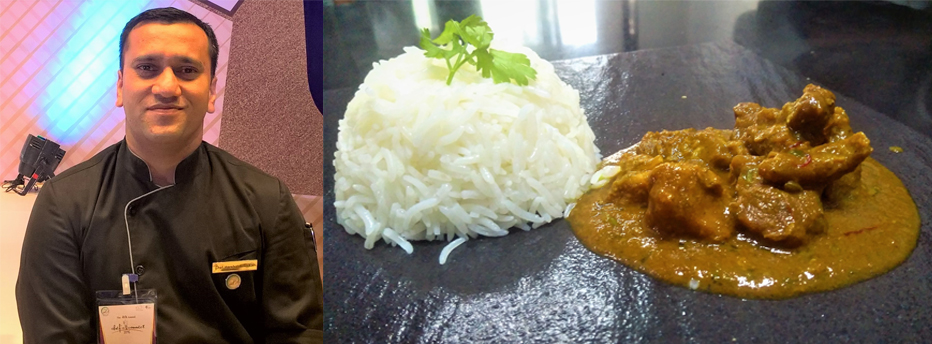
Khekda Masala, or Crab Masala, holds a very special place in my heart. It is a family recipe passed down through generations—first made by my Aaji, then my mother, and now by me. It is prepared with fresh coconut, onion, green chillies and ginger. What makes our recipe special is the natural extract from the crab claws. The claws are ground with water, strained and added to the curry towards the end, along with fresh coriander. For me, this is much more than a dish. It represents my family, my roots and the authentic flavours of Malvan.
Q. How can Malvani cuisine remain authentic while appealing to modern diners?
I believe in preserving the soul of the dish while adapting the presentation and dining experience. We do not need to change traditional flavours or techniques to make Malvani cuisine contemporary. We can focus on presentation, portion sizes, cooking precision and ingredient quality while respecting the original recipe.The guest should experience something modern, but when they taste the dish, they should immediately recognise that it is Malvani.
Q. What can chefs do to preserve Malvani culinary heritage?
Chefs should learn from home cooks, local communities and traditional family recipes. Some of the most valuable culinary knowledge still exists in homes, where recipes have been preserved through generations. Restaurants can take Malvani cuisine to a wider audience through food festivals, chef collaborations, regional showcases and carefully curated menus. We also need to document traditional recipes and techniques and pass them on to the next generation. Innovation should help tell the story of Malvani cuisine, not come at the cost of losing Maharashtra’s traditional recipes and culinary heritage.

Editor in Chief : Mewati SItaram