
By Mewati Sitaram
Bahrain, the island nation in the Arabian Gulf, is a destination where history and heritage blend seamlessly with modern hospitality. Known for its luxurious hotels, pristine beaches, and adventure offerings, the country also invites travellers to step back in time and explore its rich past. With three UNESCO World Heritage Sites and a host of archaeological wonders, Bahrain showcases centuries of civilisation, culture, and tradition.
Bahrain is the only archipelago in the region, and its heritage reflects the influence of multiple eras and empires. From ancient Dilmun settlements to Islamic landmarks and maritime traditions, the island offers travellers a journey across millennia.
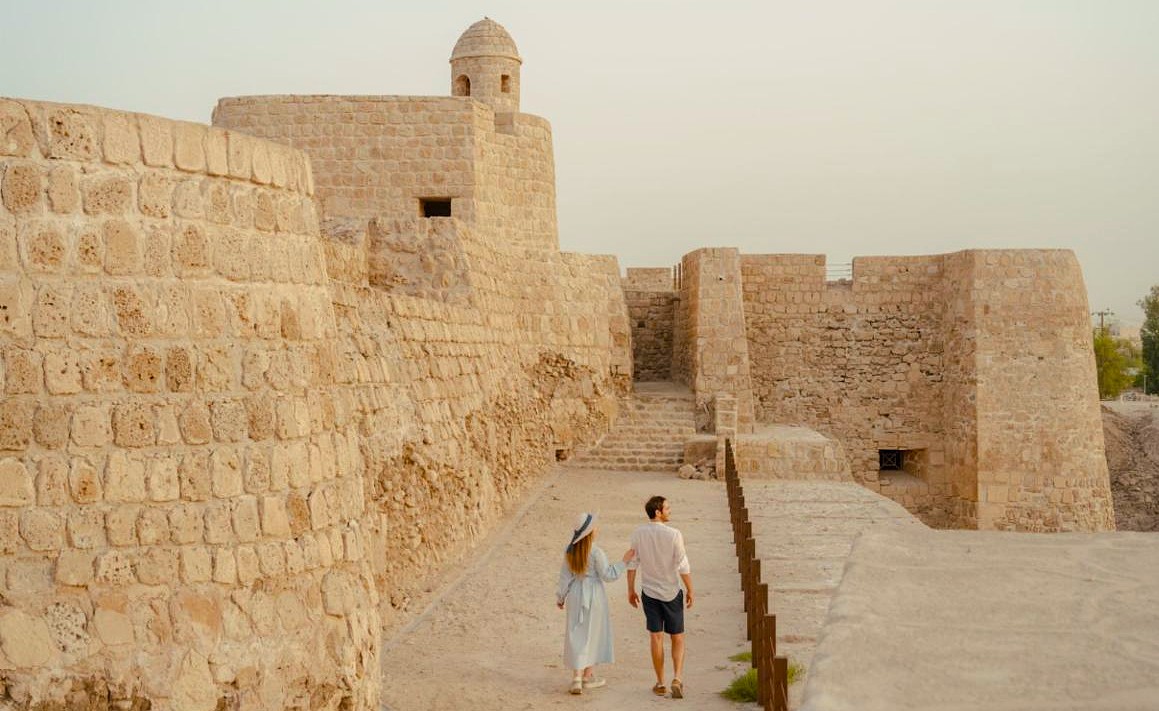
Among the most significant sites is Qal’at al-Bahrain, or Bahrain Fort. Believed to have been constructed in the 6th century BCE, it once served as the capital of the Dilmun civilisation. Over the centuries, it was occupied by Kassites, Greeks, and Portuguese. Today, visitors can explore the well-preserved fort and enjoy its visitor centre and museum showcasing artefacts. The site also offers sweeping views over the Gulf and hosts winter sound-and-light shows.
Another prominent attraction is Bu Maher Fort, built in 1840. The fort once protected pearling trade routes and safeguarded crucial water sources on Muharraq Island. It now serves as the starting point of the Pearling Path, which was inscribed as a UNESCO World Heritage Site in 2012. The walking trail leads travellers through Muharraq’s historic lanes, dotted with restored houses and heritage sites, while tracing the story of Bahrain’s pearling era.
The Delmon Burial Mounds, spread across the island, are another UNESCO site. These 350,000 ancient mounds date back to the Dilmun and Tylos periods. Artefacts discovered here include pottery, ivory, and ostrich eggshells, many of which are displayed at the Bahrain National Museum. Several royal mounds in A’ali are believed to house Dilmun kings such as Ri’Mum and Yagli’El. The area is also renowned for traditional pottery workshops where visitors can watch artisans at work and shop for souvenirs.
A remarkable natural wonder in Bahrain is the Tree of Life, a 35-foot mesquite tree that has survived for centuries in the desert without any visible water source. Its enduring mystery and striking presence make it one of the island’s most visited landmarks. Equally fascinating is the Saar Temple, dating back to the Dilmun era between 2050 and 1800 BCE, where excavations have revealed artefacts that highlight Bahrain’s ancient trading legacy.
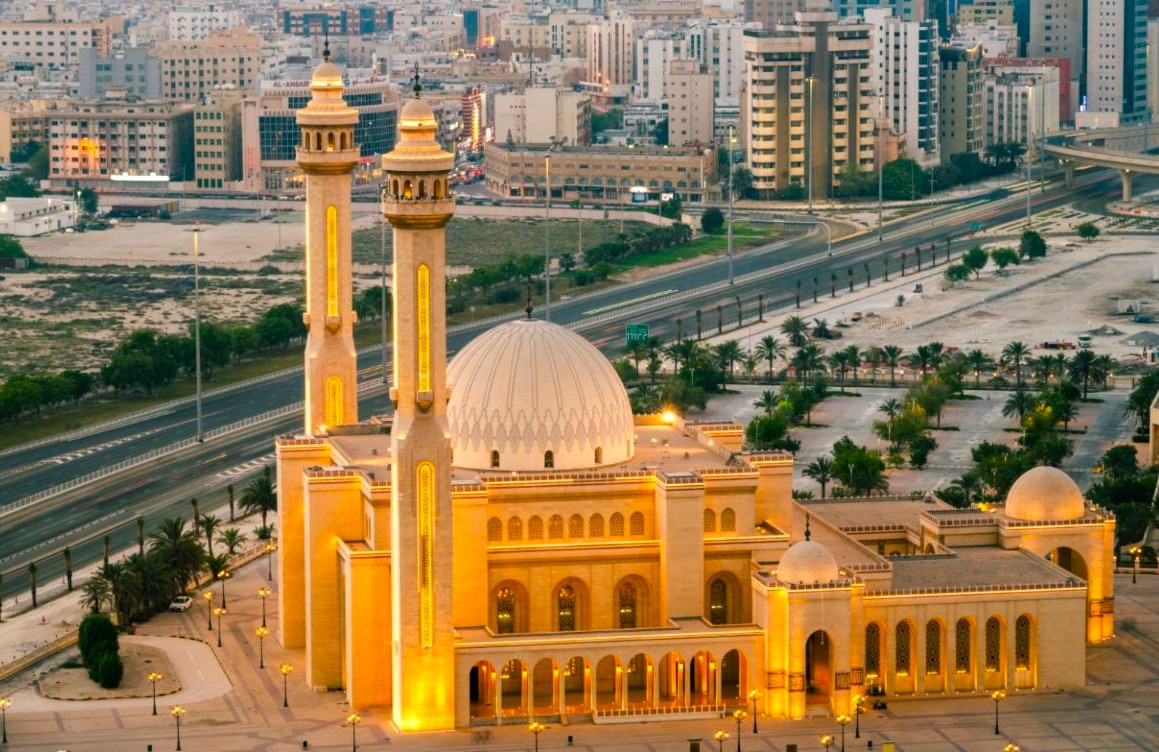
The island’s Islamic heritage is reflected in its mosques, with Al-Khamis Mosque, built around 692 AD, standing among the oldest in the region, and the Al Fateh Grand Mosque, opened in 1984, accommodating up to 7,000 worshippers with guided tours available. Most historic sites are free to explore, except the Bahrain National Museum which charges a nominal fee. Blending natural wonders, cultural landmarks and timeless history, Bahrain remains a living museum of civilization. *For more details, visit Bahrain.com

Editor in Chief : Mewati SItaram